Hydrofluorocarbons (HFCs) were once the environmentally friendly solution to replace ozone-depleting substances, but have now become a new focus of global climate governance due to their potent greenhouse effect. The Kigali Amendment to the Montreal Protocol, adopted in 2016, brought HFCs into the international regulatory framework, initiating a global phased reduction process[1]. Although Taiwan is not a signatory to the Protocol, the Ministry of Environment officially implemented an HFC quota management system in July 2025, bringing the import and use of 18 HFC substances under total volume control[2]. This article begins with the international context of the Kigali Amendment, systematically analyzes the operating mechanisms of Taiwan's HFC quota system, and provides specific response strategies and engineering planning recommendations for the HVAC industry.
1. The Kigali Amendment: A Milestone in Global HFC Phase-Down
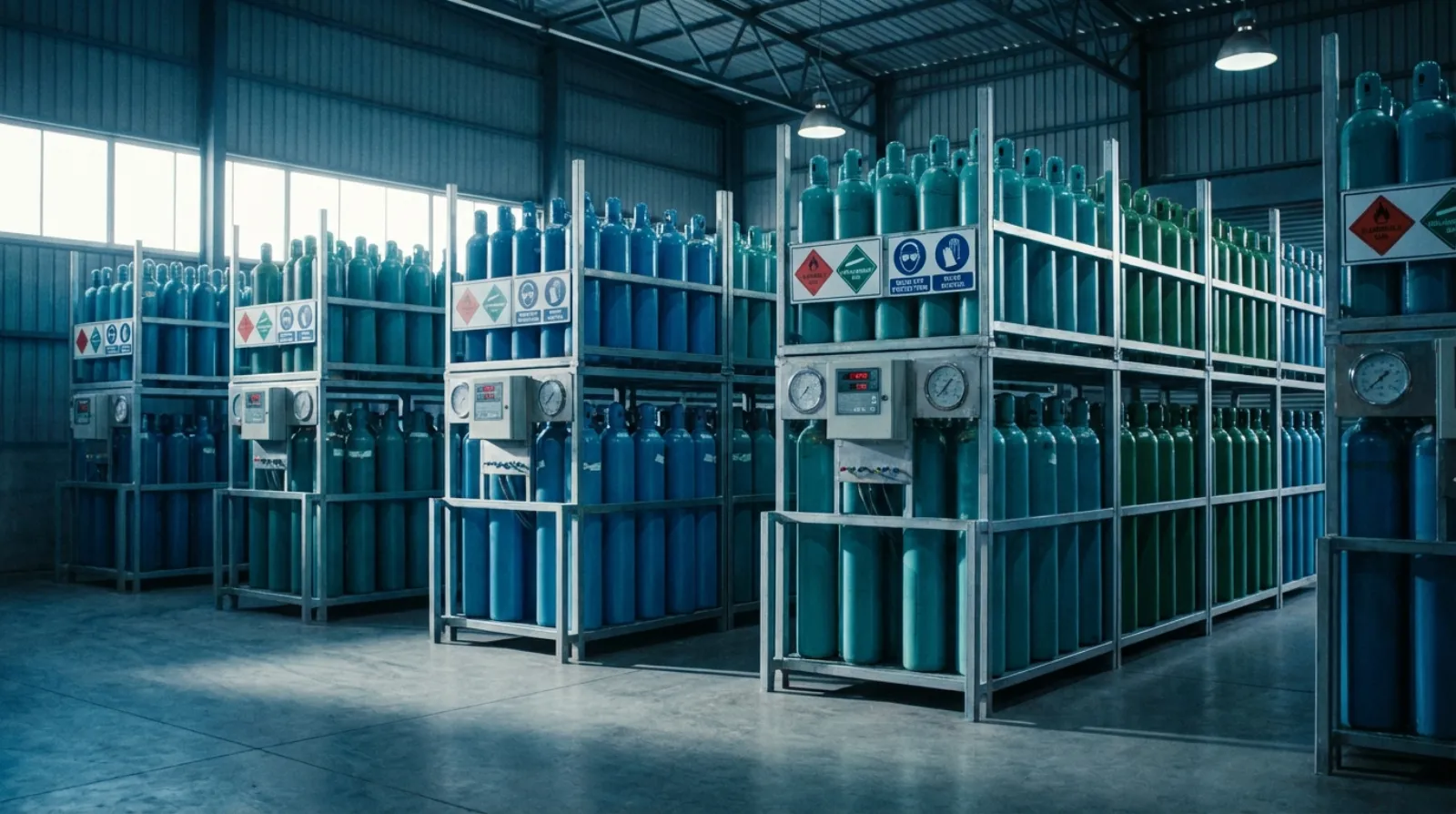
Since its adoption in 1987, the Montreal Protocol has successfully driven the global phase-out of ozone-depleting substances (ODS) such as chlorofluorocarbons (CFCs) and hydrochlorofluorocarbons (HCFCs). However, HFCs, which were widely adopted as ODS replacements, do not damage the ozone layer but possess extremely high Global Warming Potential (GWP). Taking R-410A, the most commonly used refrigerant in the HVAC industry, as an example, its GWP reaches 2,088 -- meaning that each kilogram of R-410A leaked has a climate impact equivalent to emitting 2,088 kg of CO2[1].
Facing the rapidly escalating trend of HFC emissions, in October 2016, the 197 parties to the Montreal Protocol reached a historic consensus in Kigali, the capital of Rwanda, adopting the "Kigali Amendment," which formally brought HFCs into the Protocol's regulatory scope[3]. This represents the third major turning point in global refrigerant regulation, following the phase-out of CFCs and HCFCs.
Group-Based Phase-Down Schedule
The Kigali Amendment divides parties into different groups based on economic development levels, with differentiated baselines and phase-down schedules[3]:
- Non-A5 Countries (Developed Countries): Baseline is 2011-2013 HFC consumption plus 15% of the HCFC baseline; 10% reduction from 2019, 40% by 2024, 70% by 2029, 80% by 2034, maintained at 15% of baseline from 2036
- A5-I Group (Most Developing Countries): 2020-2022 as baseline; freeze in 2024, 10% reduction from 2029, 30% by 2035, 50% by 2040, maintained at 20% of baseline from 2045
- A5-II Group (India, Pakistan, etc.): 2024-2026 as baseline; freeze in 2028, 10% reduction from 2032, 20% by 2037, 30% by 2042, maintained at 15% of baseline from 2047
As of early 2026, more than 155 countries have ratified the Kigali Amendment[3]. The United Nations Environment Programme (UNEP) estimates that full implementation of the Kigali Amendment could prevent 0.3-0.5 degrees C of global warming by the end of this century[4].
The Inevitability of Taiwan's Regulatory Follow-Up
Although Taiwan is not a party to the Montreal Protocol, it has long adopted a "voluntary compliance" strategy in environmental governance. The driving factors include: first, international trade pressure -- the EU F-Gas Regulation[5] has set GWP thresholds for refrigerants in imported products, and Taiwan's export-oriented air conditioning equipment manufacturing industry must comply with target market regulations; second, climate commitments -- Taiwan's Greenhouse Gas Reduction and Management Act lists HFCs as one of six major greenhouse gases, and the quota system is a concrete tool for achieving reduction targets; third, industrial competitiveness -- establishing management mechanisms early helps guide industrial transformation and upgrading, avoiding the higher costs of reactive responses in the future.
2. Full Analysis of Taiwan's HFC Quota System (Effective July 2025)
The Ministry of Environment officially implemented the HFC Management Regulations in July 2025, establishing Taiwan's first comprehensive HFC total volume control and quota allocation system[2]. The following provides a detailed analysis of the system's core elements.
18 Regulated HFC Substances
The quota management covers 18 pure HFC substances, consistent with Annex F of the Kigali Amendment[2]. The most relevant to the HVAC industry include: HFC-32 (R-32, GWP 675), HFC-125 (R-125, GWP 3,500), HFC-134a (R-134a, GWP 1,430), and HFC-143a (R-143a, GWP 4,470). Notably, blended refrigerants such as R-410A (R-32/R-125 blend), R-404A (R-125/R-143a/R-134a blend), and R-507A (R-125/R-143a blend), while not individual substances, have their component quantities counted against the respective pure substance quotas.
Quota Calculation Basis: CO2 Equivalent (GWP-Weighted)
Quotas are not measured in kilograms but calculated in CO2 equivalent (tonnes CO2-eq). The formula is: Quota consumption = Import weight (tonnes) x GWP value. This means high-GWP refrigerants consume more quota. For example, each tonne of R-404A imported consumes 3,922 tonnes of CO2-eq quota, while the same weight of R-32 consumes only 675 tonnes of CO2-eq[2] -- a nearly six-fold difference in quota pressure. This design mechanism directly incentivizes operators to prioritize low-GWP refrigerants.
Import Quota Application Process and Timeline
According to the Management Regulations, HFC importers must submit quota applications to the Ministry of Environment before the start of each year for the following year. Review criteria include: historical import volumes, domestic demand projections, and annual total volume caps. After quota approval, importers must present quota approval documents during customs clearance, and the Ministry of Environment deducts used quotas in real time[2].
Quarterly Reporting Obligations and Penalties
Operators who receive quotas must report to the Ministry of Environment quarterly on HFC import volumes, sales distribution, and inventory levels. Failure to report as required or filing false reports may result in fines ranging from NT$100,000 to NT$1,000,000 under the Greenhouse Gas Reduction and Management Act, with orders for corrective action within a specified period; in serious cases, quotas may be revoked[6].
3. Affected Refrigerants and Equipment Types
The impact of the quota system depends on each refrigerant's GWP value and market usage volume. The following provides an analysis of the four most commonly used refrigerants in Taiwan's HVAC industry.
R-410A (GWP 2,088): Residential and Commercial AC Mainstay
R-410A is currently the standard refrigerant for Taiwan's split-type air conditioners, VRF multi-split systems, and small-to-medium packaged air conditioners, accounting for the largest share of total HFC usage. With a GWP exceeding 2,000, each tonne imported consumes a large amount of quota. As major global markets (US in 2025, EU in 2025) ban R-410A in new equipment, international supply chains are accelerating the shift toward R-32 and R-454B[5]. Taiwan's R-410A supply and pricing will face significant pressure over the next three to five years.
R-404A (GWP 3,922): Commercial Refrigeration
R-404A is widely used in supermarket refrigerated display cases, food processing plant freezing systems, and medium-to-low temperature cold storage. With a GWP of 3,922, it is one of the refrigerants under the greatest quota pressure. The EU has banned refrigerants with GWP exceeding 2,500 for new commercial refrigeration equipment since 2020[5]. Alternatives to R-404A include R-448A (GWP 1,387) and R-449A (GWP 1,397) as transitional options, and R-744 (CO2) and R-290 (propane) as long-term solutions.
R-507A (GWP 3,985): Industrial Refrigeration
R-507A is an azeotropic blend of R-125 and R-143a, primarily used in large industrial refrigeration systems and low-temperature cold storage. With a GWP of 3,985, comparable to R-404A, it falls in the highest-pressure category under the quota system. Refrigerant transition options for industrial refrigeration include R-717 (ammonia) system redesign or adoption of NH3/CO2 cascade systems.
R-134a (GWP 1,430): Centrifugal Chillers
R-134a is the mainstream refrigerant for large centrifugal chillers, widely used in central air conditioning systems for office buildings, shopping malls, and industrial parks. Although its GWP is lower than R-410A, since large chillers typically require hundreds of kilograms per unit charge, the total volume remains substantial. International manufacturers have introduced next-generation centrifugal machines using R-1234ze(E) (GWP 7) and R-515B (GWP 293)[7].
Quota Pressure Ranking
Combining GWP values and market usage, the quota pressure ranking for each refrigerant is: R-507A approximately equal to R-404A > R-410A > R-134a > R-32. Users of high-GWP refrigerants will be the first to feel the supply restrictions and price increases resulting from tightening quotas.
4. Impact of the Quota System on HVAC Engineering
The HFC quota system is not merely a change in environmental regulations -- it will fundamentally alter decision-making logic throughout the entire lifecycle of HVAC engineering, from design to maintenance.
Refrigerant Price Increase Trends
The direct effect of total volume control is to constrain supply and drive up refrigerant prices. The EU's F-Gas Regulation implementation experience has fully validated this trend -- after significant quota reductions in 2018, R-404A prices in the EU market more than tripled within two years[5]. Taiwan's market can expect similar price escalation curves for high-GWP refrigerants after the quota system takes effect. For systems with large refrigerant charges (such as large cold storage facilities and commercial refrigeration systems), increased refrigerant procurement costs will significantly impact operating expenses.
Refrigerant Strategy for New Equipment Selection
Under the quota system, equipment selection for new construction projects must incorporate refrigerant GWP values as a core decision factor. Selecting equipment with low-GWP refrigerants not only means lower quota consumption and refrigerant procurement costs, but also ensures refrigerant availability throughout the equipment's 15-25 year lifecycle. Taking a new commercial office building's air conditioning system as an example, choosing an R-32 VRF system (GWP 675) over an R-410A VRF system (GWP 2,088) saves approximately 68% in quota consumption alone.
Refrigerant Management and Reduction for Existing Equipment
For R-410A or R-404A equipment still in operation, refrigerant management becomes a critical operational issue. Strengthening equipment airtightness testing, regular leak inspections, and immediate repairs are fundamental to maintaining existing system operations under the quota system. According to international practice, reducing the annual leak rate of commercial refrigeration systems from the industry average of 15-25% to below 5% can significantly reduce refrigerant replenishment needs and quota consumption[8].
Large Cold Storage and Cold Chain Systems Face the Greatest Impact
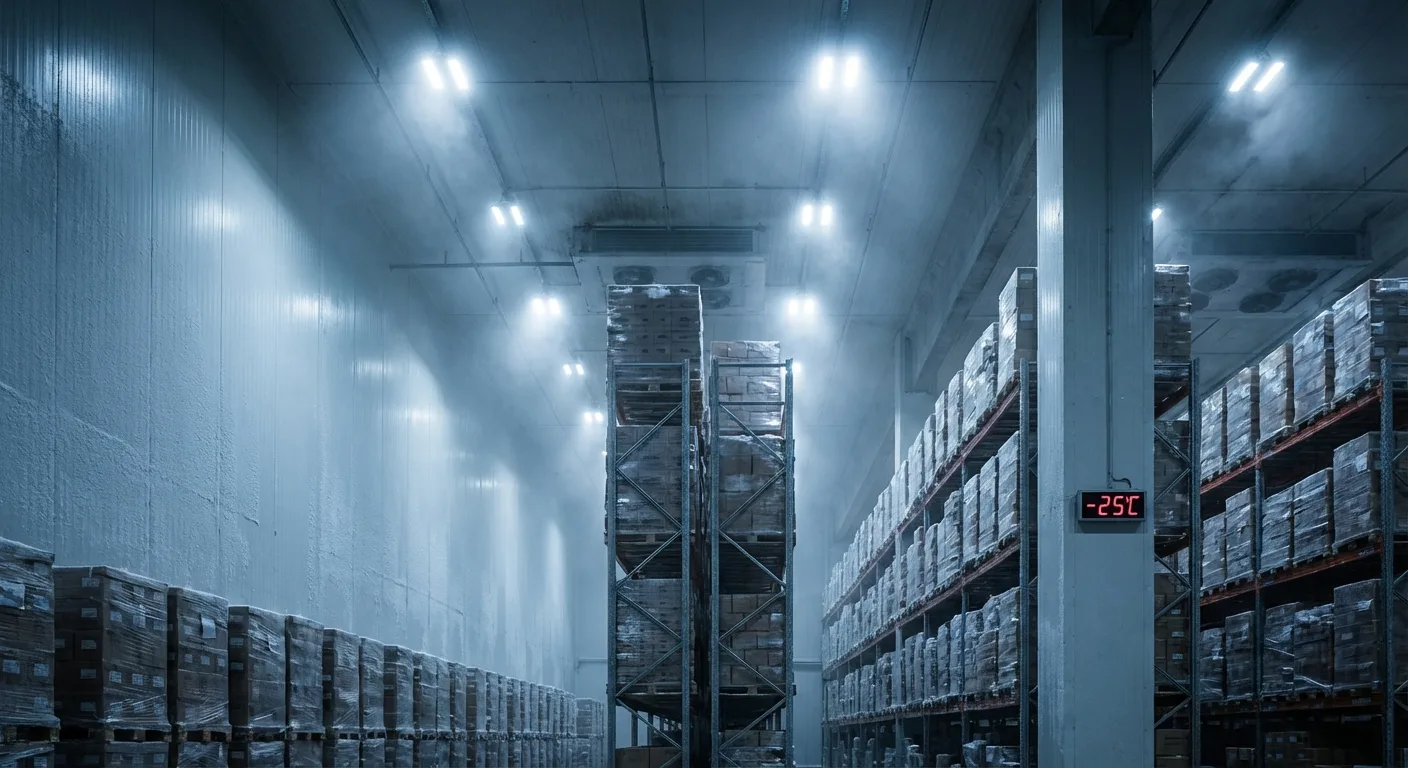
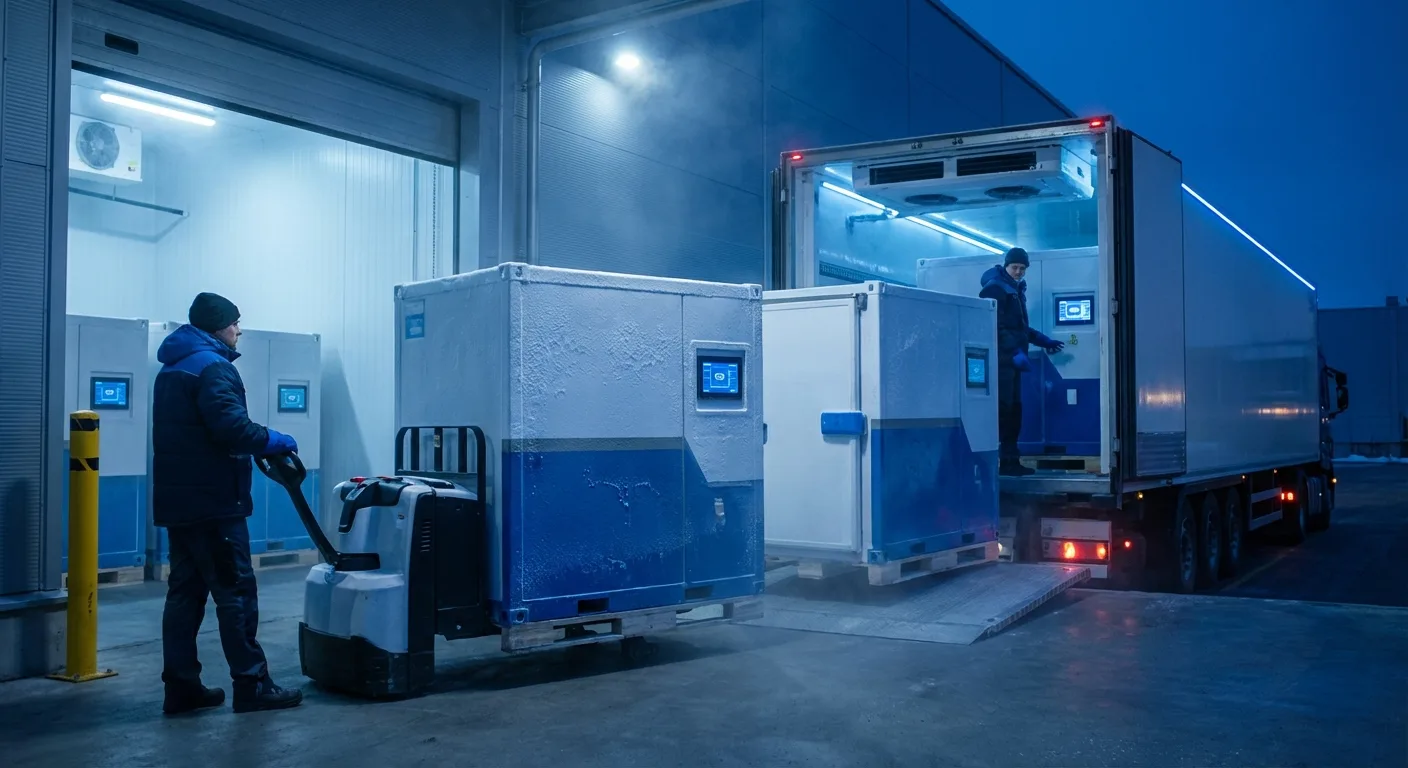
Among all HVAC applications, large cold storage facilities and cold chain logistics systems face the most significant impact from the quota system due to their large refrigerant charges (hundreds to thousands of kilograms per system), widespread use of high-GWP refrigerants (R-404A, R-507A), and relatively high leak rates. Food cold chain operators especially need to plan refrigerant transition strategies in advance to avoid system maintenance difficulties or forced shutdowns due to quota restrictions.
Need to assess the impact of the HFC quota system on your HVAC systems? Contact our engineering team for a customized refrigerant transition planning report.
5. Corporate Response Strategies and Transition Pathways
Facing the progressive tightening of the quota system, corporate response strategies should be divided into short-term, medium-term, and long-term stages, progressively driving refrigerant transition.
Short-Term (1-2 Years): Strengthen Refrigerant Management, Reduce Leaks
The most cost-effective approach in the short term is to start with refrigerant management of existing systems. Specific measures include: establishing a refrigerant inventory management system with detailed records of every charge, recovery, and replenishment; implementing a regular leak detection program, prioritizing high-risk leak points (flange joints, valves, mechanical seals); investing in precision detection tools such as infrared refrigerant leak detectors to improve leak location efficiency; and preventive replacement of aging piping and fittings to reduce system leak rates.
Medium-Term (3-5 Years): Adopt Low-GWP Refrigerants for New Projects
In medium-term planning, all new construction projects should prioritize low-GWP refrigerant solutions. Major options include:
- R-32 (GWP 675): Suitable for split-type air conditioners and VRF systems, with high technical maturity and stable market supply, making it the most direct replacement for R-410A
- R-290 (Propane, GWP 3): Suitable for small commercial refrigerated display cases and standalone freezing equipment, with excellent energy efficiency but requiring compliance with A3 flammability safety standards[7]
- R-744 (CO2, GWP 1): Suitable for supermarket refrigeration systems (transcritical or subcritical configurations) and the low-temperature stage of industrial refrigeration; in Taiwan's high ambient temperature conditions, appropriate system design is needed to maintain efficiency
Long-Term (5-10 Years): System Renewal and Natural Refrigerant Transition
In the long term, as quotas continue to decrease and high-GWP refrigerant prices rise, replacing and upgrading existing equipment will become the more economically rational choice. Natural refrigerants (R-717 ammonia, R-744 CO2, R-290 propane), with their near-zero GWP, will gain greater market advantage under the long-term pressure of the quota system. The conversion of large industrial refrigeration systems to R-717 and the introduction of R-744 transcritical systems for commercial refrigeration will be the main directions for long-term transition[8].
Economic Value of Refrigerant Recovery and Reclamation
Under the quota system, the economic value of refrigerant recovery and reclamation significantly increases. HFCs recovered from decommissioned equipment can be reused after regeneration processing without consuming new import quotas. Building a comprehensive refrigerant recovery system is not only an environmental obligation but also an important strategy for enterprises to ensure refrigerant supply in a tightening quota environment. The Ministry of Environment is also promoting a refrigerant recovery certification system to encourage operators to invest in recovery and reclamation[6].
6. Forward-Looking Engineering Planning Recommendations
As professional HVAC engineers, we offer the following forward-looking recommendations to building owners and design teams in this new era of quota management.
Refrigerant Selection Decision Framework for New Projects
Refrigerant selection for new construction projects should no longer consider only initial equipment cost and energy efficiency ratings, but must incorporate a comprehensive "refrigerant lifecycle cost" assessment. The recommended decision framework encompasses four dimensions: regulatory foresight (whether the refrigerant will remain available throughout the equipment's 20-year lifecycle), quota impact (GWP-weighted quota consumption), technical maturity (equipment reliability, service infrastructure, and parts availability), and total cost of ownership (TCO, including refrigerant procurement, leak replenishment, and anticipated future price increases).
Feasibility Assessment of Refrigerant Conversion for Existing Systems
For existing systems still in the middle of their lifecycle, feasibility assessment of "drop-in" alternative refrigerants is an important topic. Some transitional refrigerants (such as replacing R-404A with R-448A) can be used in existing equipment with limited modifications, but require rigorous system compatibility testing, including compressor suitability, expansion valve matching, refrigerant oil compatibility, and safety classification changes[9]. Not all systems are suitable for conversion; professional engineer assessment and trial operation verification are indispensable steps.
Refrigerant Banking and Recovery Systems
Drawing on EU and Japanese experience, the concept of a "Refrigerant Bank" should be established, treating refrigerants in existing corporate equipment as valuable assets to be managed. Specific practices include: precisely tracking the refrigerant charge quantity and quality status of each system, ensuring proper refrigerant recovery rather than atmospheric venting during equipment decommissioning, and establishing partnerships with refrigerant recovery vendors with regeneration processing capabilities[10]. As quotas continue to tighten, existing refrigerant inventory in corporate hands will carry increasingly higher strategic value.
Conclusion
The implementation of the HFC quota management system marks Taiwan's HVAC industry's transition from "unrestricted refrigerant access" to a new era of "precise metered management." This is not merely an upgrade in environmental regulations, but a comprehensive transformation involving equipment selection, system design, maintenance strategy, and cost structure. The global phase-down schedule of the Kigali Amendment is irreversible, and the tightening pressure of Taiwan's quota system will only intensify year by year. Only by planning ahead -- from short-term leak prevention, to medium-term low-GWP refrigerant adoption, to long-term natural refrigerant system transition -- can enterprises ensure sustainable operations and engineering quality under the dual challenges of regulatory pressure and market competition. The window for refrigerant transition is limited, and the time for action is now.