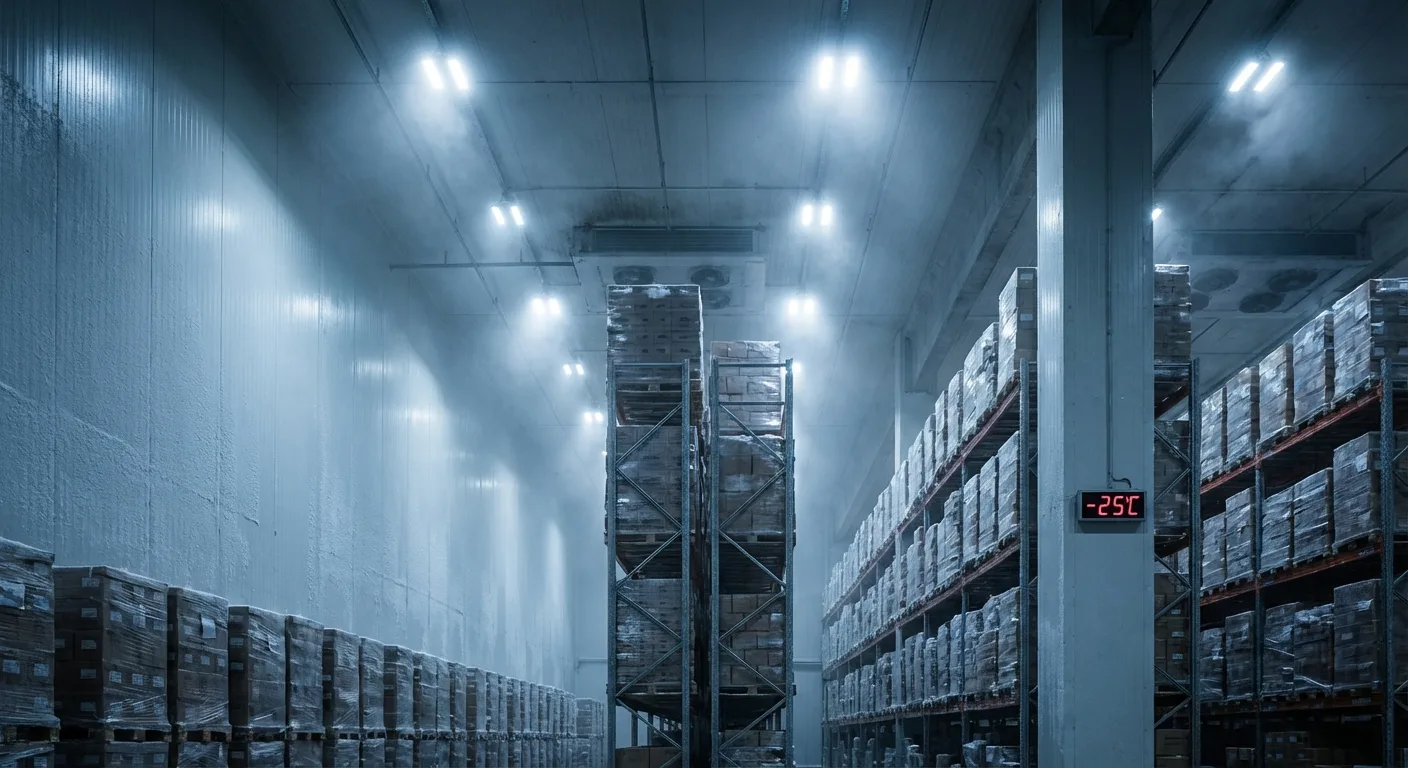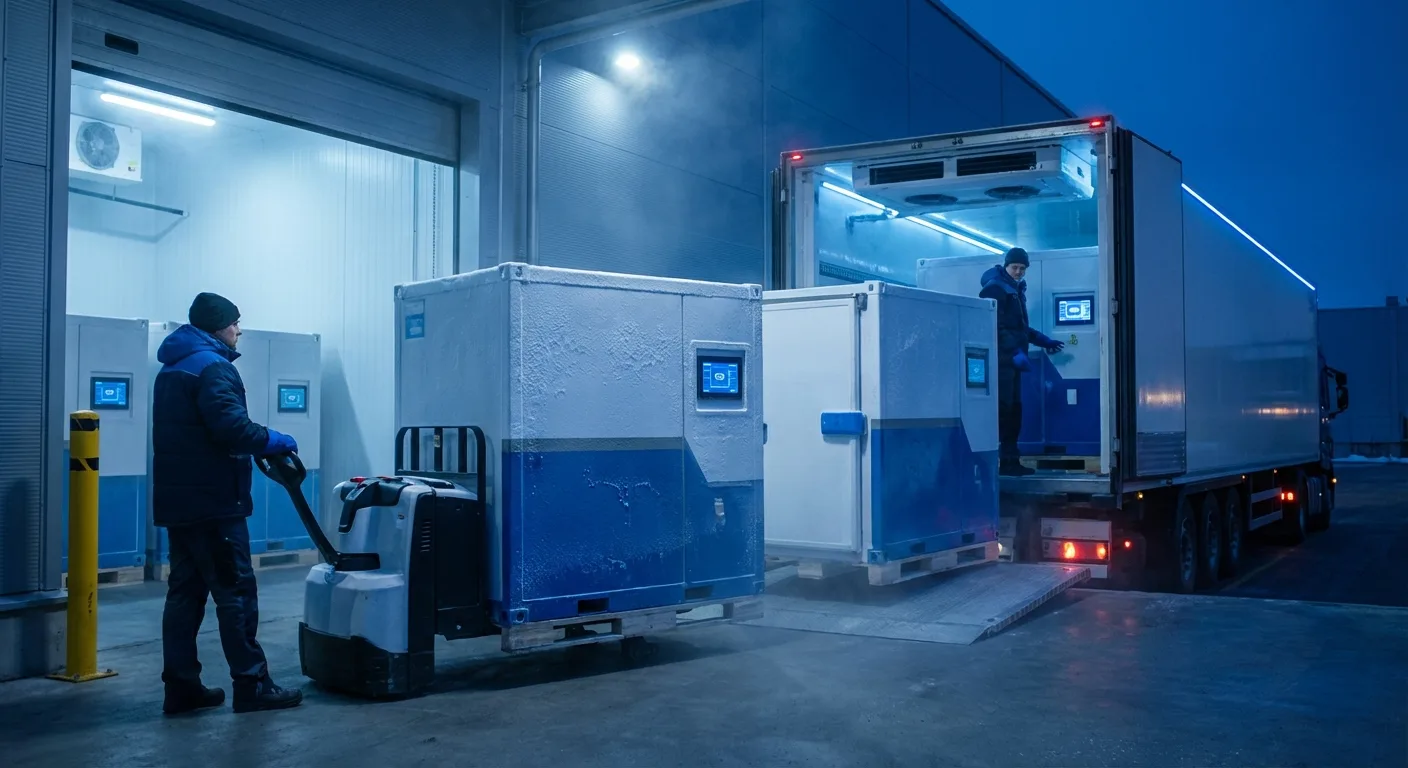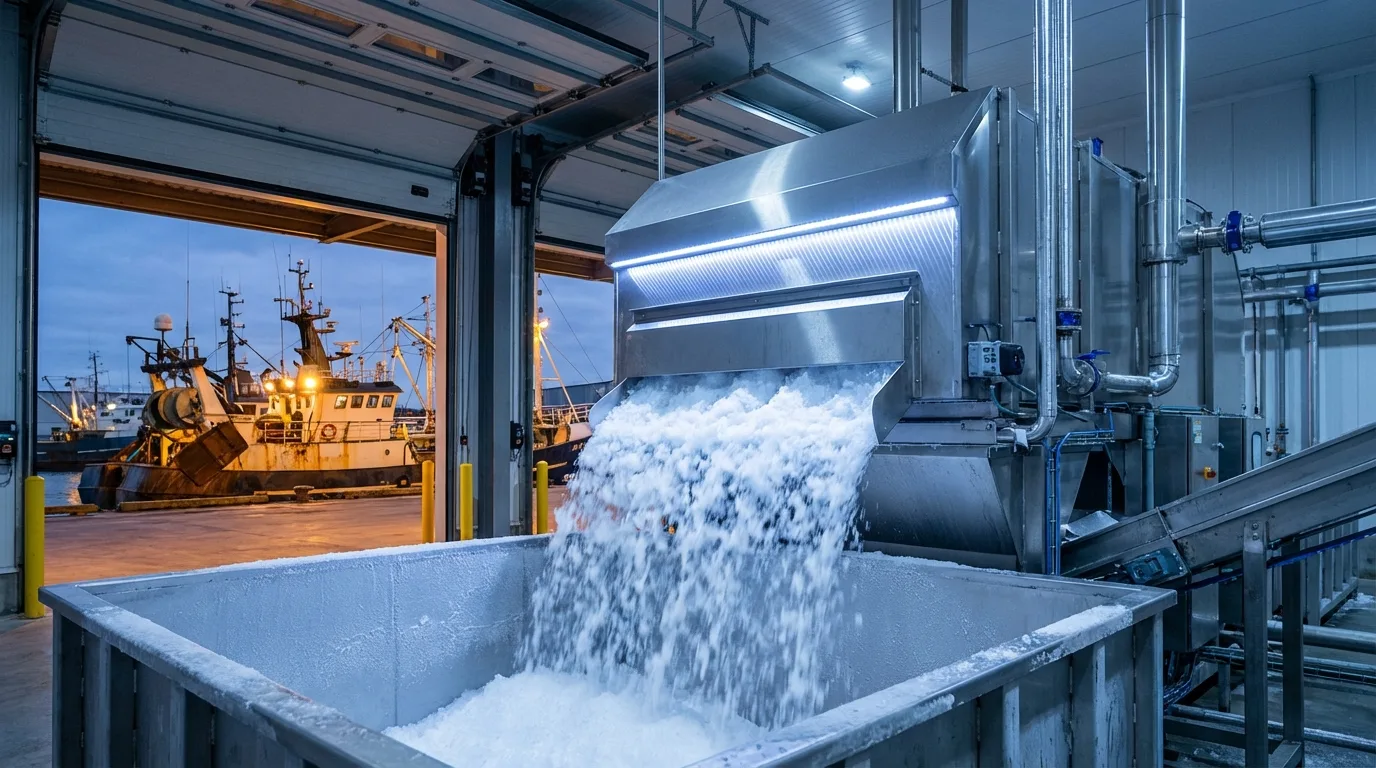
Ice is the oldest and most irreplaceable preservation medium in the fishery cold chain. From the ice-loading operations before fishing vessels head out to sea, to the grading, auctioning, and transportation of catches after they arrive at port, a sufficient and stable ice supply directly determines the freshness and economic value of the catch. As Taiwan's fishery cold chain modernization advances and food safety regulations become increasingly stringent, fishing port ice-making system planning has evolved from the traditional "good enough" approach to a systematic engineering discipline requiring precise ice production calculations, careful ice machine type selection, optimized condensing and heat dissipation solutions, and integrated ice storage and automated delivery systems. This article provides a systematic comparison of the applicable scenarios and engineering design considerations for various ice-making technologies from the professional perspective of a refrigeration and air conditioning engineering consultant, offering practical reference for the construction or renovation of fishing port ice-making facilities.
1. The Critical Role of Fishing Port Ice-Making in Cold Chain Preservation
Fishery products, due to their high protein content, high water activity, and abundant endogenous enzymes, are among the most perishable of all food categories. FAO (Food and Agriculture Organization of the United Nations) research indicates that global post-harvest losses in fisheries reach 10% to 12%, with a significant portion attributable to quality deterioration caused by failure to promptly cool catches after harvesting[1]. In Taiwan's fishing port operating environment, particularly in southern ports such as Kaohsiung and Pingtung where summer temperatures routinely exceed 33 degrees C, bacterial proliferation accelerates rapidly if catches are not covered with ice and cooled within a short time after unloading, causing freshness indicators (such as K-value and Total Volatile Basic Nitrogen TVB-N) to deteriorate quickly.
The role of fishing port ice-making systems in the cold chain can be summarized across three dimensions:
- Ice for fishing vessel operations: Coastal fishing vessels (CT3 class and below) typically use crushed or flake ice to directly cover catches, with ice-to-fish ratios maintained between 0.5:1 and 1:1 depending on voyage duration. Deep-sea vessels may have onboard ice-making equipment or employ freezer holds
- Post-unloading preservation and auction ice: After unloading at port, catches undergo grading, weighing, and auctioning at fish markets, requiring crushed ice to maintain a low-temperature environment throughout. ASHRAE Handbook — Refrigeration Chapter 42 notes that ice absorbs latent heat during melting (334 kJ/kg), which can steadily maintain fish surface temperatures near 0 degrees C[2]
- Processing and transportation ice: During transit from auction to processing plants or wholesale markets, crushed ice coverage remains the most economical and effective means of short-distance cold chain maintenance, especially for intermediate stages before entering refrigerated vehicles or cold storage
From an engineering economics perspective, the cost of ice-based preservation is far lower than mechanical refrigeration, and ice continues to provide cooling during transportation without requiring electricity. However, ice supply capacity is constrained by ice-making equipment production capacity and ice storage volume; any shortfall during peak periods directly causes cascading quality losses in catches. Therefore, proper planning of ice-making systems is the most critical element in fishing port cold chain infrastructure.
2. Ice Machine Type Comparison: Flake, Tube, Plate, and Slurry Ice
The core equipment of a fishing port ice-making system is the ice machine. Different types of ice machines have respective advantages and disadvantages in ice form, single-unit production capacity, energy consumption characteristics, and maintenance requirements. Selection must comprehensively evaluate the port's operational patterns, ice usage purposes, and space constraints. The following provides a systematic comparison of four major ice-making technologies.
Flake Ice Machine
Flake ice machines are currently the most widely adopted ice-making equipment in fishing ports. The working principle involves refrigerant evaporating and absorbing heat on the outer wall (or inner wall) of a cylindrical evaporator, where water forms an ice layer approximately 1.5 to 2.5 mm thick on the evaporator surface, which is then scraped off by a rotating blade to form irregular thin flakes of ice[3]. Flake ice has a large surface-area-to-volume ratio, excellent conformity to fish surfaces, and high cooling efficiency. Single-unit daily production capacity ranges from 0.5 to 60 tons, allowing flexible configuration based on port scale. The main advantages of flake ice machines include good production continuity, low ice discharge temperature (typically -5 degrees C to -7 degrees C), and a subcooling effect that can bring fish surface temperatures below 0 degrees C in a short time. The disadvantage is that flake ice has a soft texture and melts relatively quickly, making it unsuitable for long-distance transport and extended stacking storage.
Tube Ice Machine
Tube ice machine evaporators consist of multiple vertically arranged tubes. Water flows over the outside (or inside) of the tubes and freezes on the tube walls. Once the desired thickness is reached, hot gas defrosting is used to release the ice, and the ice columns fall down and are cut by a blade into hollow cylindrical ice pieces approximately 40 to 50 mm long. Tube ice diameters are typically 22 mm, 29 mm, or 35 mm[4]. Tube ice is hard, smooth-surfaced, and melts slowly, making it durable for storage and transportation, suitable for applications requiring long-term cooling or truck delivery to remote locations. Tube ice machine daily production capacity ranges from 1 to 30 tons per unit. Energy consumption is slightly higher than flake ice machines, and the ice-making process is batch-type (intermittent defrosting), making production continuity inferior to flake ice machines. Some fishermen's associations use tube ice for deep-sea fishing vessel operations because it stacks stably in fish holds and melts slowly, providing longer cooling duration.
Plate Ice Machine
Plate ice machine evaporators have a flat-plate structure. Water freezes on the plate surface to a thickness of 10 to 15 mm, then hot gas defrosting is used to release the ice plates, which are subsequently broken into irregular blocks by a crusher. Plate ice machines have simple structures and are easy to maintain, with relatively low unit energy consumption for ice production. However, they require relatively large floor space, and the crushed ice blocks are uneven in size with inferior conformity to fish surfaces compared to flake ice. Plate ice machine applications in fishing ports have been gradually declining, mostly seen in older ice-making facilities or specific large-scale industrial ice-making plants[5]. Traditional brine-immersion block ice production cycles of 12 to 24 hours have low efficiency and are rarely used in newly constructed fishing port ice-making facilities.
Slurry Ice (Fluid Ice)
Slurry ice is an emerging technology that has received significant attention in the fishery preservation field in recent years. Slurry ice is an ice-water mixture formed by fine ice crystals (typically less than 0.5 mm in diameter) suspended in seawater or freshwater, with ice fractions typically between 25% and 40%[6]. The greatest advantage of slurry ice is its fluidity — it can be pumped through pipes like a liquid, uniformly coating every surface of the fish (including gill cavities and abdominal cavities), achieving extremely fast cooling without mechanical damage to fish surfaces from ice block edges. IIR (International Institute of Refrigeration) research reports indicate that slurry ice can reduce the time to bring fish core temperature to 0 degrees C by 30% to 50% compared to traditional crushed ice[7]. However, slurry ice system equipment investment costs are higher, energy consumption exceeds that of traditional flake ice machines, and supporting pipeline delivery systems and ice storage tanks are required. Currently, there are more mature commercial applications in European fishery-advanced countries (particularly Norway and Spain), while Taiwan's fishing ports are still in the evaluation and pilot phase.
In comprehensive comparison of the four ice-making technologies, flake ice machines remain the mainstream choice for Taiwan's fishing port ice-making systems due to their high ice-making efficiency, high equipment maturity, and best compatibility with fishing port operations. Tube ice machines are suitable as supplements for specific purposes (such as deep-sea vessel ice and outbound transport ice). Slurry ice technology represents the future direction of development; as equipment costs further decrease and local application experience accumulates, it is expected to first gain adoption in the preservation of high-value catches (such as sashimi-grade seafood).
3. Ice Production Capacity Calculation & System Capacity Planning
Capacity planning for ice-making systems is the engineering component requiring the most precise calculations in fishing port cold chain infrastructure. Insufficient capacity leads to ice shortages during peak periods, affecting catch quality; excessive capacity results in wasted equipment investment and unnecessary fixed energy consumption. Proper ice production calculation must comprehensively consider the following factors.
Catch Volume & Ice Demand Estimation
The starting point for ice production calculations is the port's catch volume statistics and ice demand estimation. According to historical statistical data from the Fisheries Agency, annual fish unloading volumes and seasonal distributions vary by port. Taking the Qianzhen Fishing Port in Kaohsiung as an example, deep-sea catches are relatively uniform throughout the year, while coastal catches show significant seasonal fluctuations — the autumn/winter mullet season and winter shrimp season represent peak ice demand[8]. Ice demand can be roughly estimated using the following formula:
Daily ice demand = Daily catch volume x Ice-to-fish ratio x Safety factor. The ice-to-fish ratio depends on fish species and preservation duration, generally using 0.5:1 to 1:1 for coastal catches and 1:1 to 1.5:1 for long-distance transport; the safety factor is typically 1.2 to 1.5 to cover ice melting losses, auction market ice use, fish market environmental cooling, and other additional requirements.
Number of Ice Machines & Redundancy Design
ASHRAE Handbook — Refrigeration Chapter 42 recommends that ice-making system design capacity should be based on the average daily ice demand during peak months, with at least 15% to 20% equipment redundancy[2]. Additionally, a multi-unit parallel configuration should be adopted rather than a single large unit to ensure that when any unit undergoes maintenance or fails, the remaining units can still maintain basic ice supply capability. For example, a fishing port with a daily ice demand of 40 tons could be configured with 3 flake ice machines each producing 15 tons per day; during normal operation, all 3 units running in parallel provide 45 tons of daily capacity, and if any one unit is shut down, 30 tons of basic ice supply capacity remains.
Thermodynamic Calculations & System Efficiency
The thermodynamic basis of ice-making is the phase-change latent heat of water. Cooling 1 kg of water from 15 degrees C (typical fishing port tap water temperature) to 0 degrees C requires removing approximately 63 kJ of sensible heat; freezing from 0 degrees C water to 0 degrees C ice requires removing 334 kJ of latent heat; further cooling the ice to -5 degrees C requires approximately 10.5 kJ more. Therefore, the total heat removal for manufacturing 1 kg of flake ice (discharge temperature -5 degrees C) is approximately 407 kJ. By this calculation, a flake ice machine producing 10 tons per day requires approximately 47 kW of refrigeration capacity (continuous 24-hour operation). Considering compressor efficiency, heat dissipation losses, and defrost losses, the actual required compressor input power is approximately 30% to 40% of the refrigeration capacity, meaning a 10-ton/day flake ice system requires approximately 15 to 20 kW of compressor electrical consumption[2].
Need professional planning and design for a fishing port ice-making system? Contact our engineering team for the optimal ice-making solution tailored to your port's scale.
4. Condensing System Selection: Water-Cooled vs Air-Cooled vs Evaporative
In the refrigeration cycle of an ice machine, the high-temperature, high-pressure refrigerant vapor discharged by the compressor must be condensed to liquid refrigerant through a condenser. The heat dissipation efficiency of the condensing system directly affects the energy efficiency ratio (COP) and operational stability of the entire ice-making system. Three common condensing methods are used in fishing port ice-making systems, each with distinct engineering characteristics and applicable conditions.
Water-Cooled Condenser
Water-cooled condensers use cooling water as the heat dissipation medium, with common types including shell-and-tube and plate types. Water-cooled systems achieve lower condensing temperatures (typically 5 to 8 degrees C above cooling water inlet temperature), providing excellent system COP, particularly suitable for the high ambient temperature environment of fishing ports. Since ports are located near the sea, some facilities can directly use seawater as a cooling water source, saving cooling tower investment and maintenance. However, seawater is highly corrosive, requiring condensers to use titanium tubes or copper-nickel alloy tubing, resulting in higher initial equipment costs. If freshwater circulation with a cooling tower is used, water tower consumption, water quality treatment (anti-scaling, anti-algae), and drift losses must be considered as operating costs[3].
Air-Cooled Condenser
Air-cooled condensers use ambient air as the heat dissipation medium, dissipating refrigerant heat to the atmosphere through forced-convection copper tube/aluminum fin heat exchangers. The biggest advantage of air-cooled systems is that they require no water source or water treatment, are simple to install, and have low maintenance costs. The disadvantage is that condensing temperature is significantly affected by ambient air temperature — using Kaohsiung's summer ambient temperature of 35 degrees C as an example, the air-cooled condensing temperature can reach 48 to 52 degrees C, which is 10 to 15 degrees C higher than water-cooled systems, increasing compressor power consumption by 15% to 25%. Additionally, the salt spray environment of fishing ports accelerates aluminum fin corrosion; air-cooled condensers installed near the sea should use epoxy-coated or all-copper fin corrosion-resistant types[9].
Evaporative Condenser
Evaporative condensers combine the advantages of water-cooled and air-cooled systems: cooling water is sprayed on the condenser coil surface while fans draw in ambient air, utilizing the latent heat of water evaporation for heat dissipation. Since evaporative heat dissipation efficiency is far higher than pure convective heat dissipation, evaporative condensers operate at lower condensing temperatures (typically 10 to 14 degrees C above ambient wet-bulb temperature), with system energy efficiency between water-cooled and air-cooled, and water consumption only 30% to 50% of a cooling tower system. For fishing port ice-making systems with limited water supply but seeking better energy efficiency, evaporative condensers are an ideal compromise. Note that evaporative condenser spray water also requires water quality management, and coil corrosion protection in high salt-spray environments should not be overlooked.
In comprehensive evaluation under typical climatic conditions of southern Taiwan fishing ports, if a stable freshwater source is available, a water-cooled system with a cooling tower is the most energy-efficient option; if water supply is limited or management manpower is constrained, evaporative condensers provide a good balance of energy efficiency and water consumption; air-cooled systems are suitable for small ice-making facilities or locations with strong demand for simple maintenance, accepting the trade-off of higher summer energy consumption.
5. Ice Storage Design & Automated Delivery Systems
Ice machine production is a continuous or semi-continuous process, but fishing port ice demand shows significant peak and off-peak fluctuations — early morning vessel unloading and dawn auction periods represent peak ice usage, while nighttime ice demand is minimal. Ice storage serves as a buffer between ice production and ice supply, making it an indispensable supporting facility for ice-making systems.
Ice Storage Capacity Design
Ice storage capacity design must balance peak ice demand and ice machine recovery time. The general principle is: ice storage capacity should be at least 50% to 75% of peak daily ice consumption, to ensure that during peak usage periods (typically concentrated within 4 to 6 hours) when ice machines at full capacity may still be insufficient for immediate supply, the ice storage inventory can fill the gap[2]. For example, a fishing port with daily ice demand of 40 tons and peak 6-hour usage accounting for 60% of the daily total (i.e., 24 tons), the recommended ice storage capacity is 20 to 30 tons.
Ice storage body design must consider ice stacking density and internal temperature control. Flake ice stacking density is approximately 350 to 450 kg/m3, while tube ice is approximately 500 to 600 kg/m3. Ice storage temperature is typically maintained at -5 to -10 degrees C to slow ice melting and clumping. The storage body insulation should use polyurethane (PUR/PIR) sandwich panels of 100 mm thickness or greater, and the floor must include a waterproof layer and drainage slope to direct meltwater out[10].
Automated Ice Delivery & Distribution Systems
Traditional fishing port ice supply operations primarily use manual shoveling combined with carts or cranes for transport, which is inefficient and labor-intensive. Modern fishing port ice-making facilities are gradually incorporating automated ice delivery systems, with common configurations including:
- Screw Conveyor: Uses spiral blades to push flake or crushed ice, suitable for short-distance horizontal or inclined transport from ice machine discharge to ice storage, typically within 30 m
- Belt Conveyor: Suitable for longer horizontal transport or low-angle inclines, with high throughput and low ice breakage rate
- Pneumatic Conveying System: Uses high-velocity airflow to push crushed ice through pipes, enabling long-distance, multi-directional flexible distribution suitable for delivery from ice plant to multiple dock ice discharge points. However, energy consumption is higher and flake ice may partially fragment during transport
- Gravity Ice Chute: Utilizes elevated ice storage layout to deliver ice by gravity to dock-side discharge points, representing the most energy-efficient distribution method but requiring building structural coordination
The introduction of automated ice delivery systems not only improves ice supply efficiency but also enhances the sanitary conditions of the port's working environment — reducing personnel contact with ice products, lowering cross-contamination risks, and facilitating the implementation of HACCP management systems in fishing ports.
6. Operation & Maintenance and Energy Optimization Strategies
As year-round operating infrastructure, the operational maintenance quality and energy management of fishing port ice-making systems directly affect the fishermen's association's operating costs and ice supply reliability. The following engineering recommendations address daily maintenance, energy optimization, and smart management.
Daily Maintenance & Preventive Care
Core maintenance items for ice machines include: evaporator scale removal (flake ice machine evaporator cylinder inner walls should be cleaned at least quarterly, with more frequent cleaning in areas with poor water quality), refrigerant system leak detection and charge confirmation, compressor lubricant quality testing and replacement, condenser heat dissipation surface cleaning (monthly fin cleaning for air-cooled types, semi-annual water-side pipe descaling for water-cooled types), and scraper blade wear inspection and replacement (flake ice machine scraper blades are consumables; excessive clearance affects ice quality and production capacity). The high salt-spray and high-humidity environment of fishing ports accelerates equipment corrosion and degradation, requiring regular inspection of electronic components and wiring terminals in control panels for moisture and corrosion protection[3].
Water Quality Management
The quality of water used for ice production directly affects ice sanitary safety and equipment lifespan. Fishing port ice-making water should comply with Taiwan's Drinking Water Quality Standards, and appropriate pretreatment should be applied before entering the ice machine — including filtration (removing suspended solids), softening (reducing hardness to mitigate evaporator scaling), and UV sterilization or chlorination. Excessive calcium and magnesium ion concentrations in the water form scale layers on evaporator surfaces, reducing heat transfer efficiency and increasing energy consumption. Engineering practice recommends controlling total hardness of ice-making water below 100 mg/L (as CaCO3). If the port's water source has high hardness, an ion exchange water softener should be installed.
Energy Optimization Strategies
Energy optimization for ice-making systems can be approached from the following perspectives:
- Utilizing off-peak electricity: Under Taiwan Power Company's time-of-use pricing, the price difference between peak hours (weekdays 16:00–22:00) and off-peak hours can be 2 to 3 times. Scheduling ice production operations primarily during nighttime off-peak hours and supplying ice storage inventory during daytime peak hours can significantly reduce electricity costs
- Condensing temperature control optimization: For every 1 degree C reduction in condensing temperature, compressor energy consumption can decrease by approximately 2% to 3%. Water-cooled systems can further reduce condensing temperature through variable-frequency control of cooling tower fans during periods of lower ambient wet-bulb temperature (such as winter or nighttime)
- Variable-frequency compressor application: For fishing ports with highly variable ice demand, replacing traditional fixed-speed compressors with variable-frequency screw compressors allows speed reduction and energy savings during partial loads, avoiding power peaks and mechanical wear from frequent starts and stops
- Waste heat recovery: The high-temperature refrigerant vapor from the compressor discharge (approximately 60 to 80 degrees C) can be used through a waste heat recovery heat exchanger to heat wash water or provide space heating, improving overall system energy utilization efficiency[2]
Smart Monitoring & Remote Management
Modern ice-making systems should integrate digital monitoring platforms for real-time monitoring of compressor suction/discharge pressures and temperatures, evaporator inlet/outlet water temperatures, condenser cooling water temperatures (or ambient temperature), ice storage temperature and inventory levels, and each equipment's operating current and cumulative operating hours. Through IoT technology uploading data to cloud platforms, fishermen's association management personnel can remotely monitor equipment operating status via mobile phones or computers at any time and receive immediate alarm notifications when abnormal conditions occur (such as pressure anomalies, temperature exceedances, or current overloads). Long-term accumulated operating data can further support predictive maintenance decision-making — for example, when a compressor's COP value shows a gradual declining trend, maintenance can be scheduled before failure occurs, avoiding the impact of unexpected shutdowns on port ice supply.
Conclusion
The planning and design of fishing port ice-making systems may appear to be a simple engineering task of "turning water into ice," but in reality involves the systematic integration of multiple engineering aspects including ice-making technology selection, refrigeration load calculation, condensing heat dissipation solutions, ice storage logistics configuration, and long-term operation and maintenance management. From the proven reliability of traditional flake ice machines to the forward-looking innovation of slurry ice technology, from precise ice production calculations to off-peak ice storage energy management strategies — every engineering decision must be built upon a thorough understanding of fishing port operations and a solid foundation in refrigeration engineering theory. The continued upgrading of Taiwan's fishery cold chain requires more professional refrigeration and air conditioning engineering consultants engaged in the modernization planning of fishing port ice-making facilities, ensuring that every piece of ice can protect the freshness and value of catches at the most critical moments.