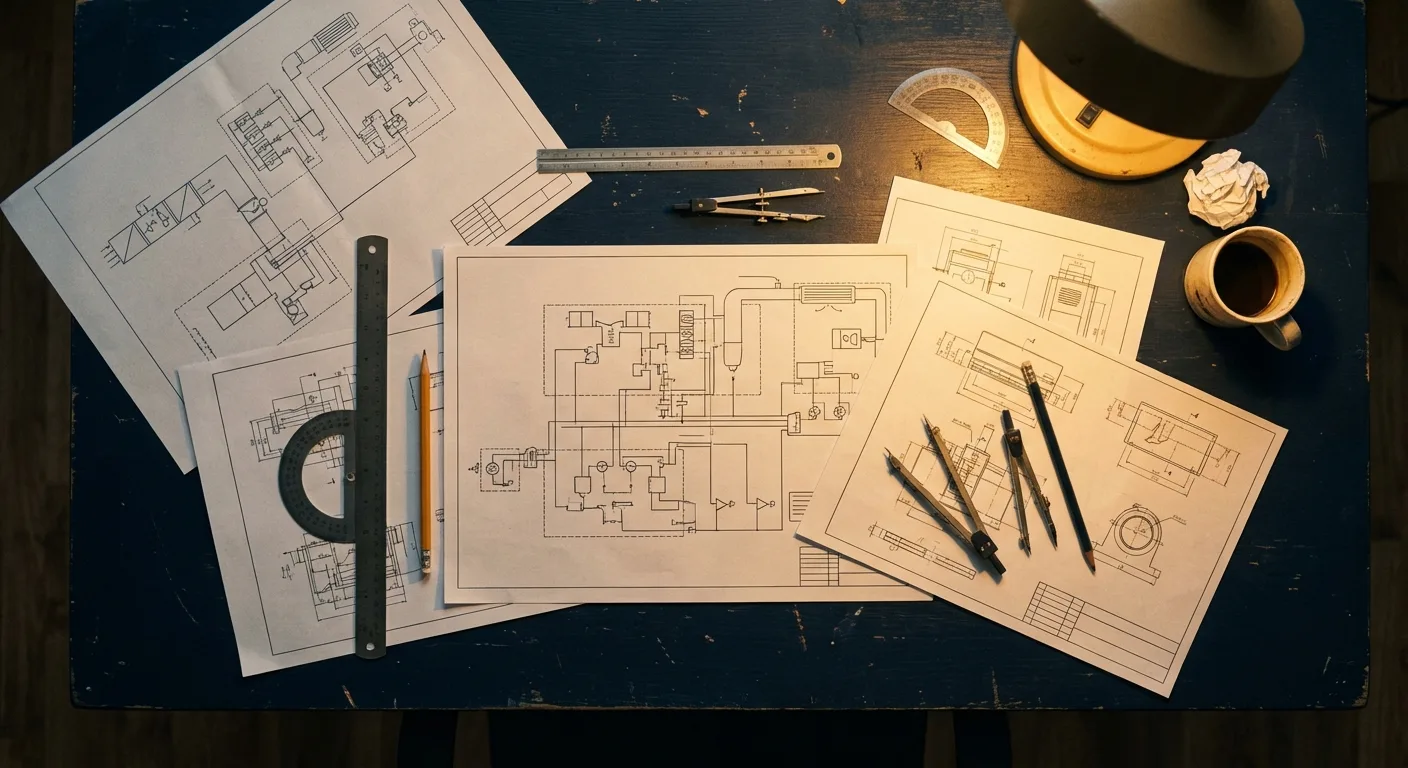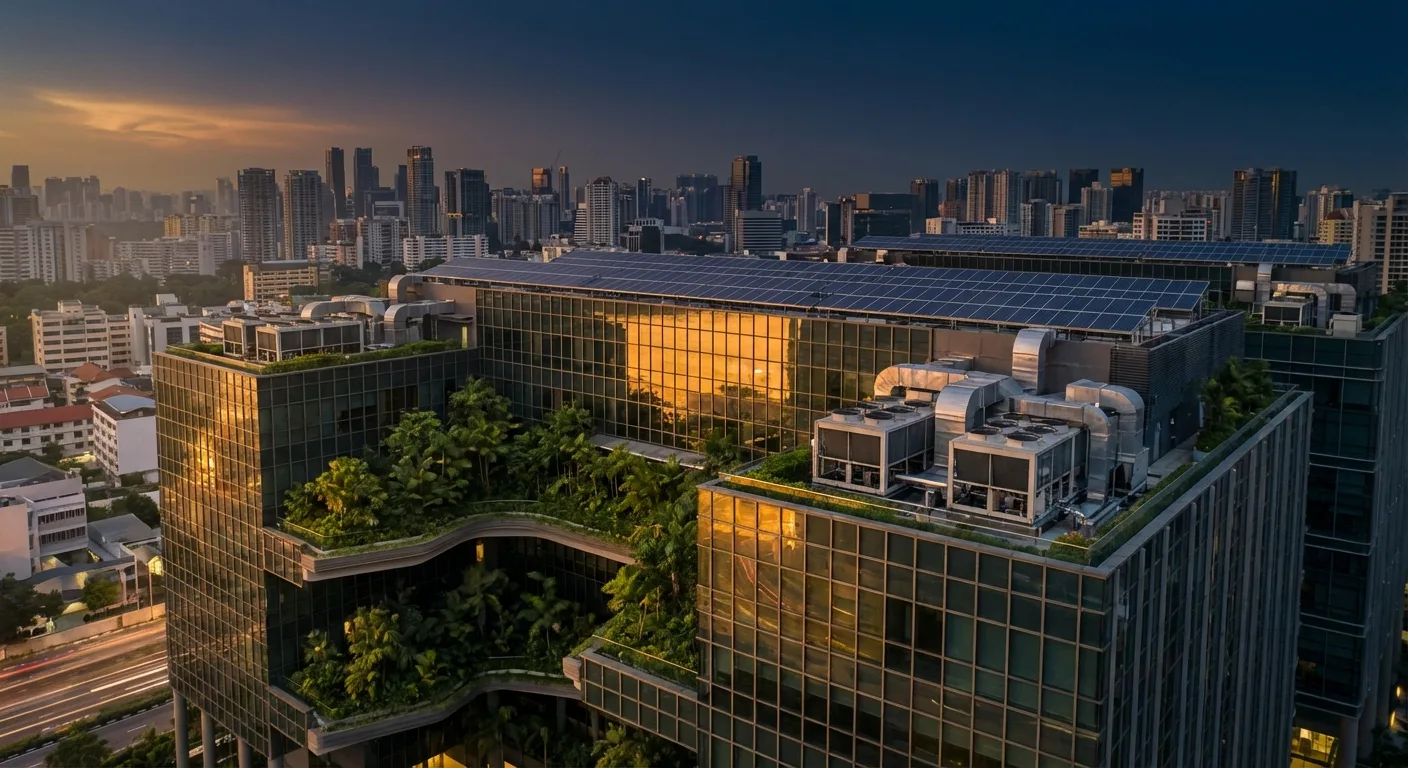
Located in the subtropics, Taiwan has a cooling demand period lasting eight to ten months. In commercial buildings, HVAC system electricity consumption typically accounts for 40% to 50% of total building electricity usage[1]. This means HVAC system performance design not only affects the owner's operating costs but also directly relates to the nation's overall energy consumption and carbon emission targets. This article explores the performance enhancement strategies available to HVAC engineers during the design phase, starting from the evolution of Taiwan's building energy efficiency regulations.
I. Evolution of Taiwan's Building Energy Efficiency Regulations
Building Technical Regulations -- Mandatory Standards
Chapter 17 "Green Building Standards" of the Ministry of the Interior's Building Technical Regulations is Taiwan's mandatory regulatory basis for building energy efficiency[2]. Provisions directly related to HVAC systems include:
- Building envelope energy-saving design: Specifies thermal transmittance (U-value) and shading coefficients for exterior walls, roofs, and windows to reduce HVAC cooling loads
- HVAC system efficiency standards: Specifies minimum energy efficiency ratios (COP/EER) for central HVAC system chillers, classified by equipment type and capacity
- Lighting energy savings: Limits Lighting Power Density (LPD), indirectly reducing HVAC heat dissipation loads
The 2024 revision further raised building envelope energy efficiency requirements and added provisions applicable to energy efficiency improvements in existing buildings[3].
EEWH Green Building Label -- Voluntary Excellence Standards
Taiwan's EEWH (Ecology, Energy Saving, Waste Reduction, Health) green building evaluation system was established by the Architecture and Building Research Institute of the Ministry of the Interior in 1999, making it one of Asia's earliest green building assessment systems[4]. The "Daily Energy Saving Index" directly evaluates HVAC and lighting system energy efficiency, covering the following aspects:
- Building envelope energy consumption index ENVLOAD (envelope contribution to peak HVAC load)
- HVAC system energy efficiency EAC (Energy-efficiency of Air Conditioning system), evaluating the overall annual electricity efficiency of the HVAC system
- Lighting system energy efficiency EL
The EAC index calculation encompasses chiller efficiency (COP/IPLV), air distribution system efficiency, pump system efficiency, and heat recovery factors, providing a comprehensive performance evaluation of the HVAC system[5]. Buildings achieving EEWH certification typically need to improve HVAC system performance by more than 20% above regulatory standards.
2050 Net-Zero Emissions Pathway
In 2022, the National Development Council announced "Taiwan's 2050 Net-Zero Emissions Pathway"[6], with "energy conservation" as one of the key strategies. The building sector is designated as a critical area for carbon reduction, with specific targets including:
- By 2030: 50% improvement in building energy efficiency (compared to baseline year)
- By 2040: New buildings to achieve near-zero carbon building standards
- By 2050: All buildings to achieve near-zero carbon building standards
These targets mean that HVAC energy efficiency standards will continue to rise significantly over the next ten to twenty years. Engineers should plan with a forward-looking mindset that exceeds current regulatory requirements.
II. HVAC System Performance Metrics
Core metrics for evaluating HVAC system performance include:
COP and EER
Chiller performance is typically expressed as COP (Coefficient of Performance), defined as the ratio of cooling capacity (kW) to input power (kW). Water-cooled screw compressors typically have a full-load COP of approximately 4.5-6.5, while centrifugal compressors at large capacities (>500 RT) can reach 6.0-7.0 or higher[7].
IPLV/NPLV
Since HVAC systems are not at full load for most of their operating time, AHRI Standard 550/590 defines IPLV (Integrated Part Load Value) as a comprehensive indicator of part-load performance[8]:
Where A, B, C, and D are the COP/EER at 100%, 75%, 50%, and 25% load respectively. This weighting reflects the frequency of part-load occurrence in actual operation -- 50% and 75% loads carry the greatest weight. Variable-speed centrifugal chillers, due to their excellent part-load performance, can achieve IPLV values 1.5 to 2.0 times their full-load COP[9].
III. Energy-Saving Strategies During the Design Phase
Strategy 1: Reducing HVAC Load
The most effective energy saving is reducing HVAC load at the source. Specific measures include:
- Building Envelope Optimization: High-performance Low-E glass, appropriate shading design, enhanced wall and roof insulation. Research shows that good envelope design can reduce peak HVAC load by 15-30%[10]
- Lighting Heat Gain Control: Using LED lighting with dimming controls to reduce the HVAC burden from lighting heat dissipation
- Internal Heat Gain Management: Rational arrangement of equipment heat dissipation, utilizing natural ventilation pre-cooling (applicable during transition seasons)
Strategy 2: Improving Chiller Efficiency
- Variable-Speed Chillers: Variable-speed centrifugal or screw chillers perform far better than fixed-speed models at part load. For buildings with high load variation (such as offices and department stores), variable-speed chillers can achieve annual energy savings of 20-35%[11]
- Proper Configuration of Chiller Quantity and Capacity: Avoid a single large-capacity chiller operating at low load for extended periods. Use multiple chillers with staged start-stop strategies to keep each chiller operating in its high-efficiency range
- Chilled Water Temperature Reset: Each 1 degree C increase in chilled water supply temperature can improve chiller COP by approximately 2-3%[12]. Moderately raising chilled water temperature during transition seasons or part-load conditions is a simple and effective energy-saving measure
Strategy 3: Water and Air Distribution System Optimization
- Variable-Speed Pumps and Fans: According to Fan Laws, when airflow is reduced by 20%, power consumption drops by approximately 49%[13]. Variable Frequency Drive (VFD) investment payback period is typically 2-4 years
- Large Temperature Differential Design: Using a larger chilled water supply-return temperature differential (e.g., 7 degrees C instead of the traditional 5 degrees C) reduces chilled water flow at the same cooling capacity, lowering pump energy consumption
- Piping System Pressure Loss Optimization: Proper pipe sizing and routing, avoiding unnecessary valves and elbows to reduce system resistance
Strategy 4: Smart Controls and Operational Optimization
- Chiller Plant Optimization Control: Dynamically adjusting chiller staging, chilled water temperature setpoints, and condenser water temperature setpoints based on real-time load and outdoor air conditions
- Cooling Tower Free Cooling: When outdoor wet-bulb temperature is sufficiently low, using cooling towers to directly provide chilled water, reducing or stopping chiller operation
- Annual Energy Simulation: Using energy simulation software such as EnergyPlus and eQUEST during the design phase to validate the annual energy performance of different design alternatives[14]
IV. HVAC Energy Efficiency Improvement for Existing Buildings
Compared to new buildings where design starts from scratch, HVAC energy efficiency improvements for existing buildings must find optimal solutions within the constraints of the existing system architecture. According to the Bureau of Energy, Ministry of Economic Affairs, the average age of HVAC systems in existing buildings in Taiwan exceeds 15 years[15], with many systems experiencing significantly degraded operating efficiency.
Common and highly effective improvement measures include:
- Chiller Replacement: Replacing chillers over 15 years old with high-efficiency variable-speed models, with typical energy savings of 30-50%
- Adding VFDs: Retrofitting existing constant-speed pumps and fans with VFDs for demand-based speed control
- Control System Upgrade: Implementing a Building Energy Management System (BEMS) to integrate monitoring and optimization control of all subsystems
- Condenser Cleaning and Water Treatment: Maintaining condenser heat transfer efficiency; each 0.1 degree C increase in approach temperature due to condenser fouling increases chiller energy consumption by approximately 1%
Conclusion
From mandatory standards to voluntary EEWH certification to the national 2050 net-zero emissions target, Taiwan's building energy efficiency requirements for HVAC systems are accelerating. As HVAC&R engineering professionals, we should not merely satisfy minimum regulatory requirements but should integrate energy-saving design into every engineering decision with a more forward-looking perspective. When we design an HVAC system for a building, we influence not only the next twenty years of electricity bills but also the building's long-term environmental responsibility.