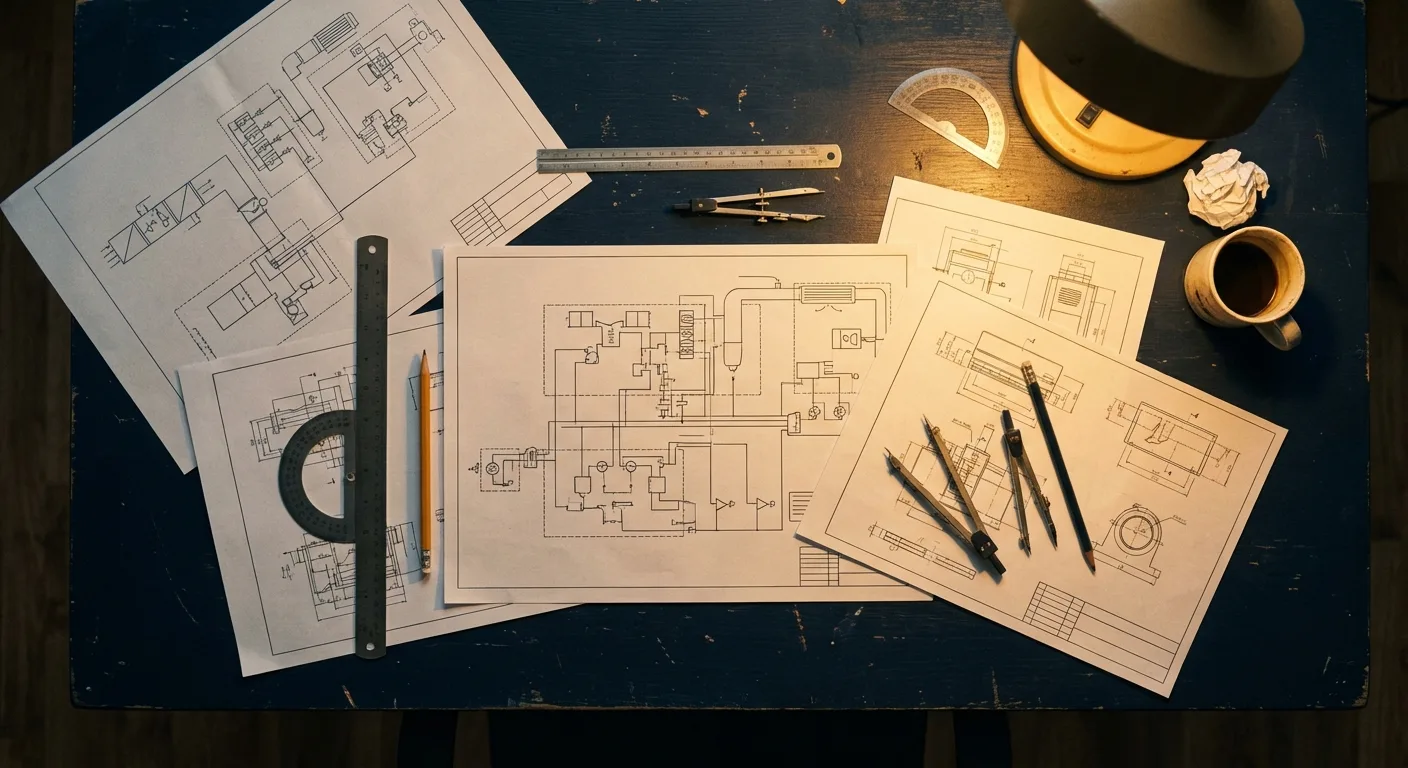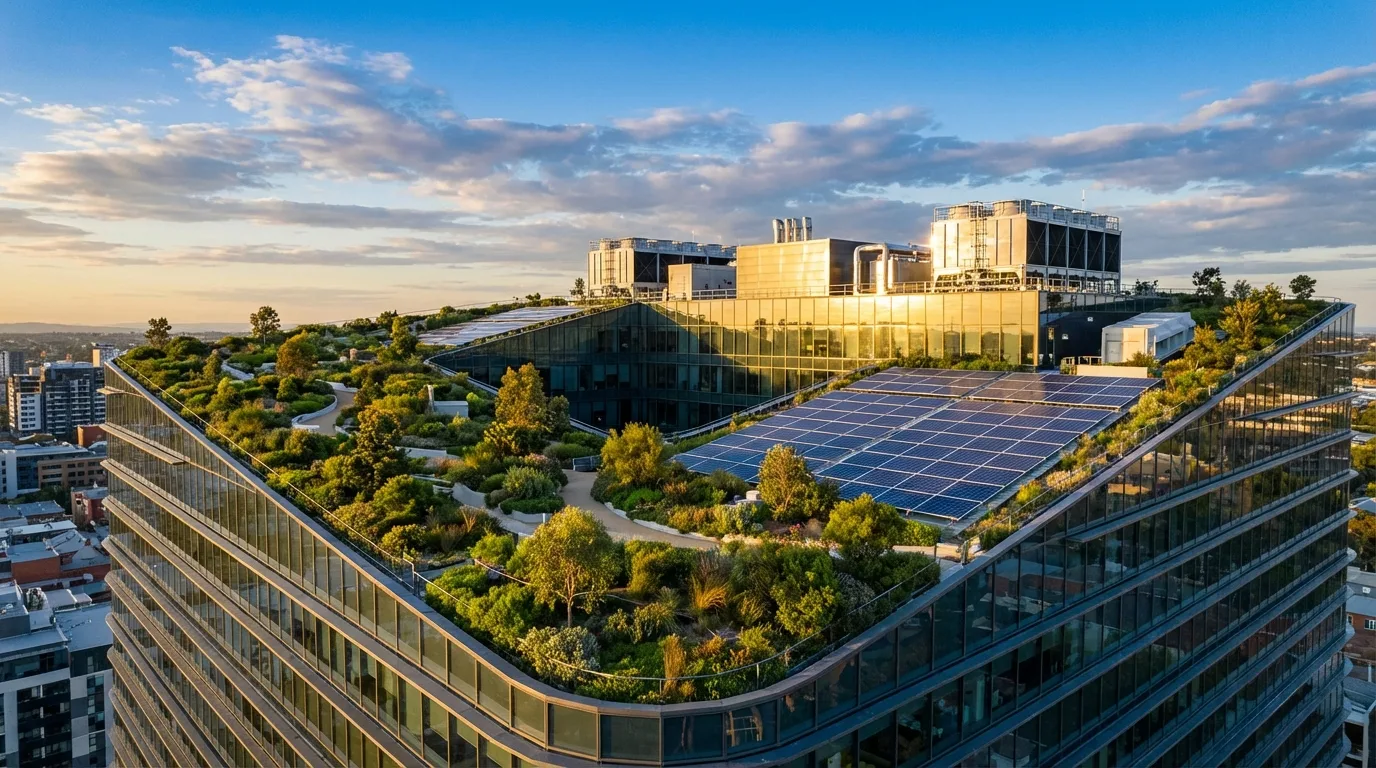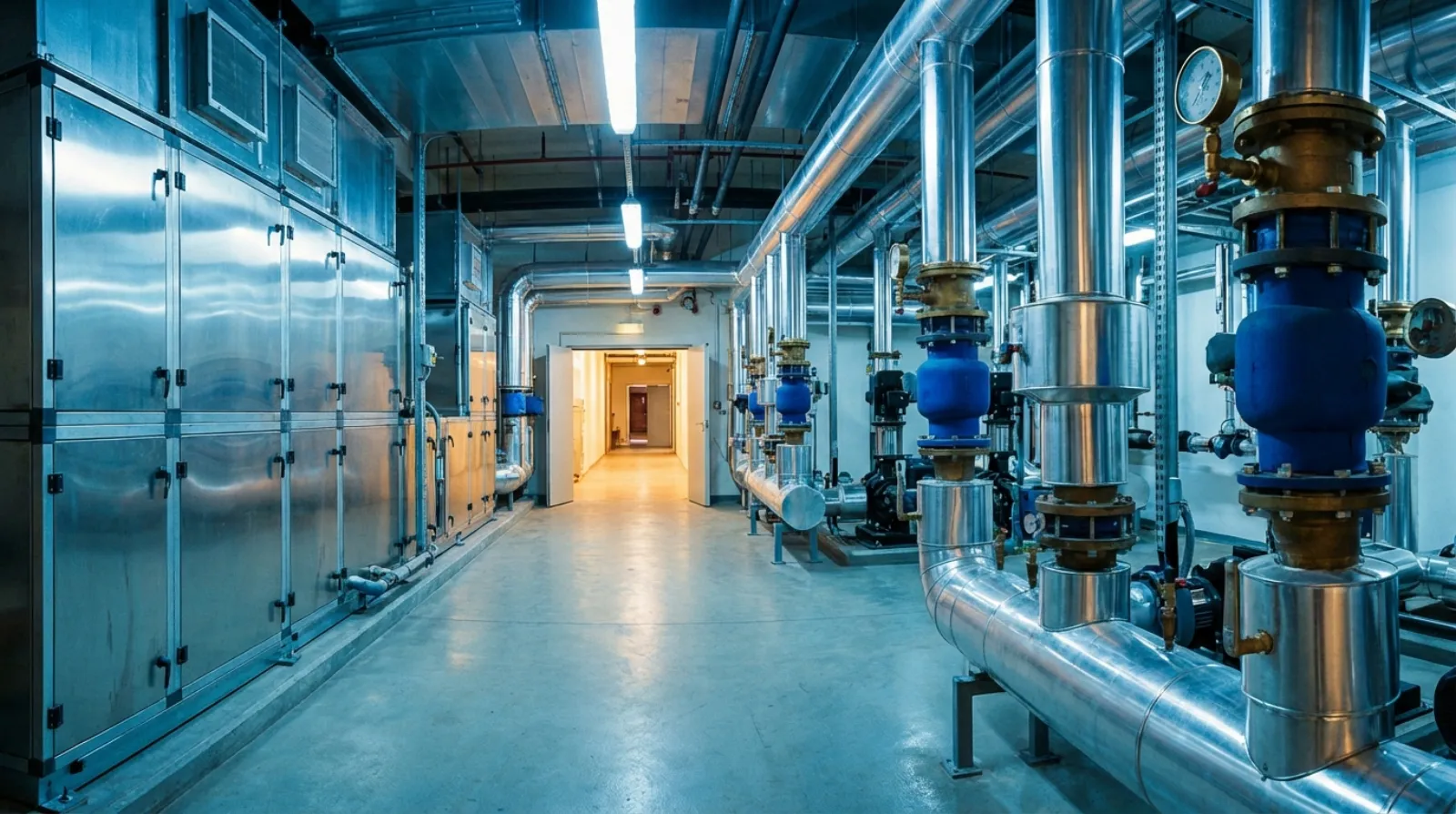
Hotel HVAC system design is among the most complex types of commercial building HVAC engineering. Unlike office buildings which primarily consist of a single office space type, a hotel simultaneously contains lobbies, guest rooms, ballrooms, kitchens, spas, swimming pools, and underground parking garages -- fundamentally different space types whose HVAC load characteristics, operating schedules, noise requirements, and air quality standards vary significantly. How to simultaneously satisfy the multiple demands of guest comfort experience, operational energy efficiency, and equipment reliability within a unified system architecture is the core challenge of hotel HVAC design.
1. Unique Challenges of Hotel HVAC Design
The design complexity of hotel HVAC systems stems from four fundamental challenges that distinguish them from typical commercial or residential HVAC engineering.
24-Hour Continuous Operation
Hotels are among the few building types requiring HVAC system operation 365 days a year, 24 hours a day. Guest room HVAC must maintain quiet, low-speed operation during late night hours, while lobbies and public areas need to dynamically adjust to varying foot traffic throughout the day. The ASHRAE Handbook -- HVAC Applications notes in its hotel chapter that hotel HVAC systems have significantly higher annual operating hours than office buildings, with part-load operating time exceeding 85% of total annual operating hours[1]. This means system selection should not be based solely on peak load -- part-load efficiency (IPLV/NPLV) is the key metric that truly affects annual energy consumption.
Diverse Space Types Coexisting
A medium-to-large hotel may simultaneously contain the following space types, each with distinctly different HVAC load characteristics:
- Lobby: High-ceiling spaces, large glass curtain walls, frequent pedestrian traffic, with significant outdoor air and solar radiation loads
- Guest Rooms: Large quantities, individual temperature control requirements, extremely strict noise requirements
- Ballroom: Large spaces, dramatic occupancy density variations (from empty to full capacity), requiring rapid cool-down capability
- Kitchen: Heavy exhaust and heat dissipation requirements, makeup air system design critical to chef working conditions
- SPA / Swimming Pool: High-humidity environment, dehumidification and condensation prevention as design focus
- Underground Parking: Carbon monoxide detection-linked ventilation system
ASHRAE design guidelines for hotel buildings indicate that design cooling load densities across these spaces can vary by more than 10 times -- guest rooms at approximately 80-120 W/m2, while kitchens can reach 300-500 W/m2[2]. This enormous load variation demands highly capable zone control from the HVAC system.
Extremely High Noise Sensitivity
Guests' noise tolerance is far lower than that of office space occupants. Background noise standards for guest rooms typically require NC 25-30 (Noise Criteria), equivalent to a quiet library level[3]. This imposes extremely stringent requirements on HVAC equipment selection, ductwork design, piping layout, and vibration isolation engineering. Any guest awakened by HVAC noise during the night may directly reflect this in hotel reviews, causing real damage to operations.
Guest Experience Above All
The ultimate evaluation criterion for hotel HVAC systems is not meeting numerical targets in engineering specifications, but the subjective comfort perception of each individual guest. This includes the first impression of coolness upon entering the lobby, instant temperature controllability in guest rooms, uniform temperature distribution across different seating areas in ballrooms, and fresh, odor-free air in corridors and elevator lobbies. HVAC system design must center on guest circulation paths and sensory experience.
2. HVAC System Configuration by Hotel Zone
Lobby and Public Areas: AHU + VAV Systems
Hotel lobbies are typically high-ceiling open spaces with large glass curtain walls, where solar radiation and outdoor air infiltration loads are significant. The design commonly employs Air Handling Units (AHU) paired with Variable Air Volume (VAV) systems[4]. AHUs centrally process outdoor and return air mixing, filtration, cooling, and dehumidification, then deliver conditioned air to VAV boxes in each zone via ductwork.
Key design points for lobby AHUs include:
- Outdoor air ratios should be calculated using the Ventilation Rate Procedure (VRP) per ASHRAE Standard 62.1, with lobby occupancy density typically set at 10-30 persons/100m2
- High-ceiling spaces should employ underfloor air distribution or displacement ventilation strategies, avoiding delivery of cold air directly to unoccupied upper zones to reduce wasted energy
- Air curtains or vestibule transition spaces should be installed at main entrances to reduce load fluctuations from direct outdoor air infiltration
- Return air grille positioning must avoid short-circuiting, ensuring effective cold air coverage of guest activity areas
Guest Rooms: FCU Fan Coil Units or VRF Zone Control
Guest room HVAC system selection is one of the most strategic decisions in hotel HVAC design, as guest room quantities are large (200-500+ rooms for medium-to-large hotels), and system choice directly impacts initial investment, operational energy consumption, and maintenance costs. Two mainstream approaches exist:
Option 1: Chilled Water Fan Coil Unit (FCU) System
Each guest room is fitted with a concealed fan coil unit, supplied with chilled water from central chillers. FCU systems are the mainstream choice for international five-star hotels, with advantages including high efficiency of central chilled water system operation (large centrifugal chillers can achieve COP of 6.0 or higher), small in-room equipment size with easy maintenance and replacement, and relatively straightforward noise control (low fan power, no compressor vibration source)[5].
Engineering essentials for FCU guest room design:
- Unit airflow generally ranges from 300-600 CMH, cooling capacity 2.5-4.5 kW, depending on room size
- Units installed above bathroom ceilings or in corridor ceiling spaces, using structural elements and ceiling cavities as sound insulation chambers
- Chilled water piping uses 2-pipe (shared supply/return) or 4-pipe (independent chilled/hot water) configurations; 4-pipe systems enable simultaneous cooling and heating flexibility, suitable for regions with large temperature swings or transitional seasons
- Condensate drain piping slope and overflow prevention design are critical -- water leaks are among the most common guest complaints related to hotel HVAC
Option 2: VRF Variable Refrigerant Flow System
VRF systems use refrigerant directly as the heat transfer medium, eliminating chilled water piping and pump systems. They have gained significant market share in small-to-medium hotels in recent years, with advantages including simpler installation, smaller piping space requirements, excellent part-load efficiency, and the ability of 3-pipe VRF systems to provide simultaneous cooling and heating to different guest rooms[6]. However, VRF system applications in large hotels still require careful evaluation of refrigerant piping length limitations, leak risks, and outdoor unit noise impacts on upper-floor guest rooms.
Ballrooms and Conference Rooms: Large-Space VAV Design
Ballrooms are the spaces with the most dramatic load variations in hotel HVAC design. A ballroom accommodating 500 guests may have cooling loads during empty setup at only 20-30% of a fully seated banquet. ASHRAE recommends that ballroom HVAC systems have rapid response capability, and suggests using an occupancy density of 1.0-1.3 persons/m2 for design load calculations[7].
Core design strategies for ballroom HVAC:
- VAV systems with CO2 sensor-based Demand-Controlled Ventilation (DCV), dynamically adjusting supply air volume based on actual occupancy density
- Large ballrooms that can be partitioned into multiple independent spaces should have HVAC zones matching partition configurations, with independent VAV boxes and thermostats for each zone
- Supply air diffuser layouts must ensure uniform airflow distribution, avoiding "hot spots" or "cold spots" that affect guest comfort at specific seating areas
- Given the large heat rejection from banquets (lighting, occupants, food service equipment), HVAC systems require higher cooling density than typical meeting spaces
Kitchen: Exhaust and Makeup Air Systems
Hotel kitchens are among the most challenging areas for HVAC design. Extensive cooking equipment continuously generates heat, grease-laden fumes, and steam, with kitchen hood exhaust volumes typically extremely large, often tens of thousands of CMH. According to the ASHRAE Handbook, 80-85% of kitchen exhaust volume should be supplied by temperature-conditioned makeup air systems, with the remaining 15-20% supplemented by positive pressure infiltration from adjacent spaces, maintaining the kitchen at slightly negative pressure relative to dining areas to prevent grease-laden fumes from escaping into the dining zone[8].
Makeup air supply temperature should be controlled at 18-22 degrees C; too cold causes chef discomfort, while too warm fails to effectively reduce the kitchen ambient temperature. In subtropical regions like Kaohsiung, where outdoor air temperatures are consistently high, the cooling capacity of makeup air systems requires particularly generous sizing.
SPA and Swimming Pool: Dehumidification and Condensation Prevention Design
Indoor swimming pools and spa areas are classic representatives of high-humidity environments. Continuous water surface evaporation can easily push indoor relative humidity above 80% RH; without proper treatment, severe condensation will occur on structural elements and glass surfaces, leading to long-term material degradation and mold growth. The ASHRAE Handbook recommends indoor pool space relative humidity be controlled at 50-60% RH, with air dew point temperature at least 2 degrees C below exterior wall and glass surface temperatures[9].
The core of pool area HVAC lies in dehumidification system selection. Common approaches include:
- Heat Pump Dehumidifiers: Using the refrigeration cycle to simultaneously achieve dehumidification (evaporator) and pool water or space heating (condenser), with high energy efficiency
- Outdoor Air Dilution: Introducing dry outdoor air mixed with high-humidity indoor air for exhaust, more effective in seasons with low outdoor air dew points
- Hybrid Systems: Combining heat pump dehumidification with outdoor air intake, automatically switching operating modes based on outdoor air conditions
Underground Parking: CO Detection-Linked Ventilation
Hotel underground parking ventilation design must comply with Taiwan's Building Technical Regulations (Building Equipment Chapter) and fire department smoke exhaust requirements. The design target for daily ventilation is to maintain carbon monoxide (CO) concentration below 25 ppm. CO detectors linked to the ventilation system should be installed: when CO concentration exceeds the first-stage setpoint (typically 25 ppm), half the exhaust fans are activated; when exceeding the second-stage setpoint (typically 50 ppm), all fans are activated. This linked control strategy can significantly reduce ventilation system energy consumption during off-peak periods.
3. Chiller System Planning
For medium-to-large hotels using central chilled water systems, chiller selection and configuration strategy directly determines the system's energy efficiency and operational reliability.
Part-Load Operation Strategy
Hotel HVAC system annual load curves exhibit a distinctive long-tail pattern -- only a very small fraction of the year operates at design peak load, with the vast majority of time at 30-70% part load. Therefore, chiller configuration should prioritize optimizing part-load efficiency[1].
Common configuration strategies include:
- Unequal Sizing: For example, configuring one 40% capacity and one 60% capacity chiller, allowing only the smaller unit to operate at higher load rates during low-load periods, improving operational efficiency
- Variable-Speed Chillers: Variable-speed centrifugal chillers achieve significantly better COP at part load than fixed-speed models, with IPLV reaching 9.0 or higher
- Multiple Chillers in Series or Parallel: Step-wise start/stop based on load, coupled with intelligent control systems that automatically optimize the number of operating units and load distribution
N+1 Redundancy Configuration
Hotels operate year-round without closure; chiller failure directly impacts guest experience and revenue. Therefore, chiller configuration should follow the N+1 redundancy principle -- providing one additional backup chiller beyond the number required to meet design peak load. For example, if the design load requires two 500 RT chillers, three should be configured, ensuring normal operation even if any single unit fails.
Nighttime Low-Load Mode
During late-night hours (typically 11:00 PM to 6:00 AM), public area loads drop dramatically and guest room loads decrease as occupant activity diminishes. Systems should be designed for nighttime low-load operating modes, potentially requiring only a single small-capacity chiller paired with variable-speed pumps to maintain basic guest room cooling. Some high-efficiency hotels even utilize off-peak electricity rates during nighttime for ice storage, releasing cooling capacity during daytime peak periods to reduce power demand.
4. Noise Control: Key to Guest Experience
Noise control is the most frequently underestimated yet most directly guest-satisfaction-impacting aspect of hotel HVAC design. The ASHRAE Handbook -- HVAC Applications recommends an indoor noise standard of NC 25-30 for hotel guest rooms[3], requiring rigorous engineering treatment of all noise transmission paths from the HVAC system.
NC Standards by Space Type
Noise standards for different hotel zones vary by function:
- Guest Rooms: NC 25-30 (most stringent, core indicator for nighttime sleep quality)
- Lobby: NC 35-40 (higher background noise levels acceptable, but no identifiable mechanical noise)
- Ballroom / Conference Rooms: NC 25-30 (must ensure speech intelligibility, preventing HVAC noise from interfering with presentations and meetings)
- Restaurant: NC 35-40 (moderate background noise can enhance dining atmosphere)
- SPA: NC 25-30 (relaxation environments are extremely noise-sensitive)
Sound Attenuators and Duct Silencing Design
Sound attenuators should be installed at appropriate positions along the ductwork path from AHU discharge to guest room terminals. Sound attenuator design must be selected based on frequency spectrum characteristics -- low-frequency noise (such as fan vibration transmission) requires longer silencing sections or resonant-type silencers, while mid-to-high-frequency noise (such as duct airflow noise) can be effectively addressed through lined silencer boxes with sound-absorbing materials[10].
Vibration Isolation and Structural Sound Insulation
Vibrations from chillers, chilled water pumps, cooling towers, and other large equipment can transmit through structural elements to guest room floors. Design should incorporate the following measures:
- Chillers and pumps installed on spring vibration isolators or air spring isolation bases
- Flexible connectors at chilled water piping-to-equipment connections, breaking vibration transmission along piping
- Piping passing through guest room areas should use vibration-isolating hangers to prevent structure-borne sound
- Mechanical room walls should have sufficient sound insulation mass (STC 50 or above), with acoustic doors for mechanical rooms
Guest Room FCU Noise Control
FCU operating noise is the most directly perceptible noise source for guests. Design should select low-noise models (noise level at low speed of 30 dB(A) or below), and ensure supply and return air grille face velocities are within reasonable ranges -- supply air grille velocity not exceeding 2.5 m/s, return air grille velocity not exceeding 1.5 m/s. FCU installation should include vibration isolation pads and resilient hangers, with resilient materials between the unit and ceiling to prevent vibration from transmitting directly to ceiling panels and causing resonance.
Planning an HVAC system for a hotel or resort? Contact our engineering team for a professional solution that balances guest comfort with operational energy efficiency.
5. Energy-Saving Strategies and Intelligent Management
Hotel HVAC system energy consumption typically accounts for 40-60% of total building energy consumption, making it one of the largest single operational cost items. Effective energy-saving strategies not only reduce operational costs but are also a critical pathway for fulfilling ESG sustainability commitments.
Room Status-Linked Energy Saving
Hotel room occupancy rates rarely reach 100%, with a significant proportion of rooms vacant at most times. Through integration of the Property Management System (PMS) and Building Management System (BMS), the HVAC system can automatically adjust operating modes based on room status:
- Occupied: HVAC operates normally at guest-selected temperature
- Checked Out / Vacant: HVAC switches to energy-saving mode, temperature setpoint raised to 28-30 degrees C, fan reduced to minimum speed or shut off
- Pre-Arrival: Automatic pre-cooling initiated 30-60 minutes before expected check-in, ensuring guests feel comfortable temperature upon entering the room
Studies show that room status-linked control can save 15-30% of guest room HVAC energy consumption[5].
CO2 Demand-Controlled Ventilation
In ballrooms, conference rooms, restaurants, and other spaces with highly variable occupancy density, installing CO2 sensors linked to outdoor air intake volume regulation is an effective strategy that balances air quality and energy efficiency. When the space CO2 concentration falls below the setpoint (typically 800 ppm), the system automatically reduces outdoor air intake, reducing the cooling and dehumidification energy required for outdoor air treatment. ASHRAE Standard 62.1's Dynamic Reset procedure is the standardized implementation of this strategy.
Heat Recovery and Hot Water Preheating
Hotels consume large quantities of hot water daily for guest room showers, kitchen cleaning, and laundry operations, with hot water heating energy accounting for a significant portion of hotel energy structure. Condenser waste heat produced during chiller operation, typically at 35-40 degrees C, if discharged directly to cooling towers, not only wastes energy but increases cooling tower loads. By installing a heat recovery heat exchanger on the chiller condenser side, part of the condenser waste heat can be recovered to preheat domestic hot water, raising the water inlet temperature from the 20-25 degrees C of municipal water to 35-40 degrees C, dramatically reducing the heating load on hot water boilers or heat pumps.
BMS Building Management System Integration
Modern hotel HVAC energy efficiency is no longer about improving individual equipment efficiency but system-level integrated optimization. The BMS serves as the integration hub, with functions encompassing:
- Chiller plant optimization scheduling
- Variable-frequency linked control of cooling tower fans and chilled water pumps
- Outdoor air enthalpy comparison (economizer control), maximizing free cooling when outdoor air conditions are favorable
- Guest room HVAC linked with PMS system integration
- Real-time energy consumption monitoring, historical trend analysis, and anomaly alerting
6. Heat Pump Hot Water Integration: Secondary Utilization of HVAC Waste Heat
Recovery and utilization of HVAC waste heat is one of the most economically beneficial energy-saving strategies in hotel energy management. The condenser waste heat produced by hotel HVAC systems during cooling equals the cooling energy absorbed by the evaporator plus the electrical energy input to the compressor. In traditional designs, this waste heat is entirely dissipated to the atmosphere via cooling towers, representing energy waste.
Heat Pump Water Heating System Operating Principle
Heat pump water heating systems use the refrigeration cycle to extract thermal energy from low-temperature heat sources (air or water), raise the temperature via the compressor, and transfer the heat energy to domestic water through the condenser. Their COP (Coefficient of Performance) typically ranges from 3.0-5.0, meaning each 1 kW of electrical energy consumed can produce 3-5 kW of water heating effect -- far superior energy efficiency compared to electric boilers (COP approximately 0.95) or gas boilers (efficiency 80-90%).
HVAC Waste Heat Recovery Integration Solutions
For large hotels, the most beneficial approach is to use chiller condenser heat directly as the heat source for heat pump water heating systems. Specific implementation methods include:
- Dual-Condenser Chillers: Chillers configured with two condenser sets -- one connected to the cooling tower, the other to a heat exchanger for the hot water storage tank. Condenser heat is prioritized for the hot water system; when hot water demand is met, remaining waste heat is dissipated via the cooling tower
- Condenser Water Loop Bypass Heat Recovery: A plate heat exchanger is added to the condenser water return piping to capture partial waste heat for preheating domestic water
- Independent Heat Pump Water Heating Units: Standalone heat pump units using condenser water return or outdoor air as the heat source, dedicated to supplying domestic hot water demand
For a 300-room hotel, assuming 70% occupancy with daily average hot water usage of 120 liters per room (at 60 degrees C), the daily hot water demand is approximately 25,200 liters. With a chiller waste heat recovery solution, recoverable thermal energy accounts for approximately 40-60% of total water heating energy, potentially reducing annual hot water energy costs by hundreds of thousands of NT dollars[2]. This is not only a technically feasible energy-saving solution but also an engineering measure with tangible carbon reduction benefits for hotel ESG reporting.
Conclusion
Hotel HVAC system design is fundamentally a systems engineering discipline integrating building physics, thermodynamics, acoustics, automatic control, and operational management. From the first impression in the lobby to the sleep quality in guest rooms, from a packed ballroom to a quiet late-night corridor, every space and every time period places different demands on the HVAC system. Excellent hotel HVAC design is not about pursuing top-tier performance from individual equipment, but about using systems thinking to orchestrate the whole, enabling different HVAC subsystems to operate under central control coordination like a well-trained orchestra -- each performing their role in harmonious unison.
As energy regulations become increasingly stringent and ESG sustainability requirements become a core issue for the hospitality industry, hotel HVAC design standards will continue to rise. From chiller waste heat recovery to room status-linked intelligent energy savings, from meticulous noise engineering to comprehensive air quality assurance, every engineering decision must balance short-term investment returns with long-term operational costs. As a professional HVAC engineering team, we consistently use rigorous engineering analysis as our foundation, crafting the most appropriate full-spectrum climate control solution for every hotel.